
Drug rehab, alcohol rehab, detox, and recovery guidance in one place.
Find the Best drug and alcohol rehab centers
RehabSearch helps people compare addiction treatment centers, detox programs, inpatient rehab, outpatient treatment, and recovery resources with a state-by-state rehab directory built around real search intent.
- Search drug rehab centers and alcohol rehab programs by state.
- Compare detox centers, inpatient rehab, outpatient rehab, and medication-assisted treatment.
- Explore addiction, mental health, and substance use disorder recovery guidance without guesswork.







Find Drug and Alcohol Rehab Centers by State
Browse the biggest state directories first, using real cached listing counts instead of duplicated shortcut links and outdated state totals.
Start with the states that have the deepest rehab directories.
The old version repeated overlapping state links and relied on stale counts. This version highlights the largest state directories and gives one clear path into the full directory.
Browse the full state directory instead of starting from a repeated shortlist.
Counts below come from the local listing cache used to build the directory.
1,023 rehab listings currently cached.

Addiction and Substance Use Disorder Guide
Learn how addiction, substance abuse, and substance use disorders affect behavior, treatment needs, and long-term recovery.
What Is Addiction?
Explore the psychological and biological factors behind addiction and substance use disorders.
Explore Addiction ResourcesDrug Rehab and Substance Abuse
Detailed facts on prescription drug misuse, illicit drugs, and the treatment paths used in drug rehab.
Educational ResourcesTreatment Assessment
Use practical guidance to identify warning signs and decide whether detox, inpatient rehab, or outpatient care may fit.
Start AssessmentExplore How Addiction Affects Individuals and Families
Explore how addiction affects both individuals and loved ones, whether it involves substances or behaviors. Gain a clear perspective on the realities of addiction.
What is Addiction?
Learn the psychological, biological, and social factors that drive repetitive, harmful behaviors.
Learn About Addiction
Drug Use & Addiction
Learn about prescription and illicit drug addiction, how dependency develops, and facts of drug use.
Learn About Drug Use
Are You Addicted?
Identify warning signs, self-assessments, and how to know when professional help is needed.
Assess Signs of Addiction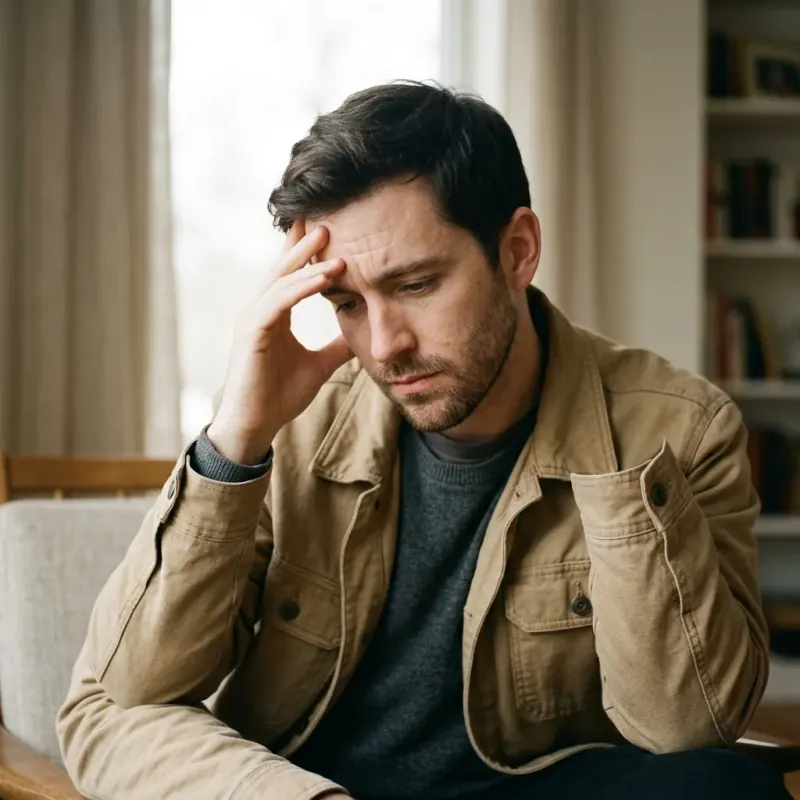
Built for People Who Need Clear Answers
Most rehab directories sell leads or run paid placements. RehabSearch gives you direct access to treatment information without hidden agendas.
Evidence-Based Content
Every page references clinical research, DSM-5 criteria, or SAMHSA guidelines. We do not publish unsourced claims or promotional language.
State-by-State Directory
Browse real rehab listings organized by state. Each directory page shows facility details, treatment types, and insurance information.
Clinically Reviewed
Content is reviewed by licensed professionals in addiction medicine. Our editorial process follows E-E-A-T standards for health information.
No Lead Selling
We do not sell your phone number or personal data to treatment centers. You decide who to contact and when to reach out.
Most Misused Substances
Understanding the specific challenges of different dependencies is vital for developing a targeted clinical treatment plan.
Prescription Medications
Frequently Asked Questions About Addiction and Recovery
Answers to the questions people ask most when considering treatment for substance use disorders, alcohol addiction, and behavioral health.
What is addiction, and is it considered a disease?
Addiction is a chronic, relapsing medical condition defined by compulsive substance use despite harmful consequences. The American Medical Association and the National Institute on Drug Abuse classify it as a brain disorder, not a moral failing. Like diabetes or heart disease, addiction responds to evidence-based treatment when properly managed.
How do I know if I or a loved one needs professional help?
If substance use is interfering with your daily responsibilities, relationships, or health, it may be time for a professional assessment. The same applies if you have tried to cut back and could not. Warning signs include increased tolerance, withdrawal symptoms, secrecy around use, and continued use despite negative consequences.
What is the difference between inpatient and outpatient rehab?
Inpatient (residential) rehab provides 24/7 care in a structured facility, ideal for severe addictions or co-occurring disorders. Outpatient programs allow patients to live at home and attend scheduled therapy sessions, making them better suited for milder cases or as a step-down after inpatient care. The right level depends on the severity of the addiction, medical history, and support system.
What does medical detox involve, and is it always necessary?
Medical detox is the process of safely managing withdrawal symptoms under clinical supervision. It is especially important for alcohol, benzodiazepines, and opioids, where withdrawal can be medically dangerous. Not everyone requires detox. Milder dependencies may begin treatment directly. A medical professional should always make this determination.
Does relapse mean treatment has failed?
No. Relapse rates for addiction are comparable to those of other chronic illnesses like hypertension and asthma (40 to 60 percent). A relapse does not mean failure. It signals that your current treatment plan may need adjustment. Many people require multiple rounds of treatment before achieving sustained recovery, and each attempt builds toward long-term success.
What is dual diagnosis, and why does it matter?
Dual diagnosis refers to having both a substance use disorder and a mental health condition such as depression, anxiety, PTSD, or bipolar disorder. Research shows that treating both conditions at the same time produces significantly better outcomes and reduces the risk of relapse.
How long does addiction treatment usually last?
There is no single timeline. Short-term programs may last 28 to 30 days, while long-term residential care can extend to 60 to 90 days or longer. Research from NIDA suggests that treatment lasting fewer than 90 days has limited effectiveness. The right duration depends on the substance involved, severity, co-occurring conditions, and individual progress.
What is Medication-Assisted Treatment (MAT)?
MAT combines FDA-approved medications like buprenorphine, methadone, or naltrexone with behavioral therapy and counseling. It is primarily used for opioid and alcohol use disorders. Studies show it reduces cravings, prevents relapse, and lowers the risk of overdose. Both SAMHSA and the World Health Organization endorse MAT as a gold-standard approach.