How to Use Narcan/Naloxone and When to Call 911
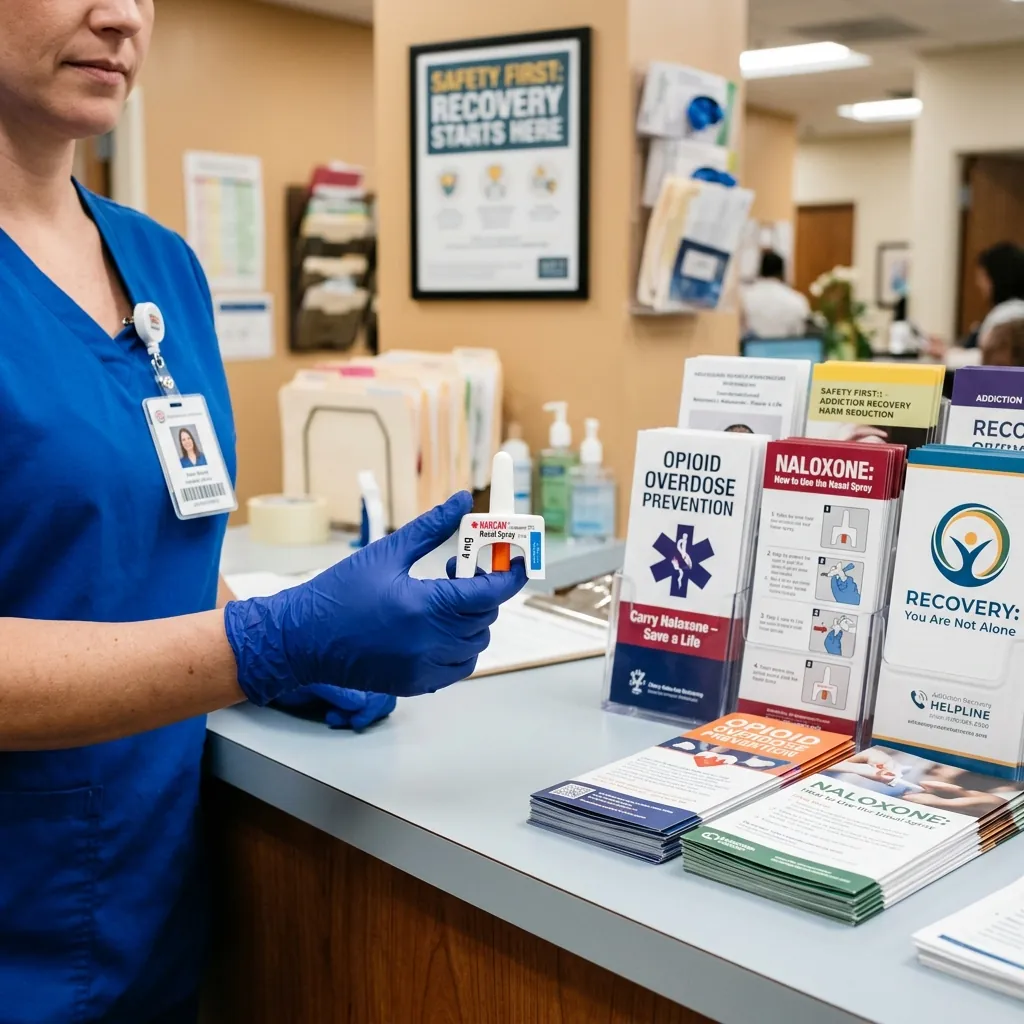
Naloxone, sold under the brand name Narcan, is a medication that can reverse an opioid overdose and restore normal breathing within minutes. Since 2023, it has been available without a prescription at most US pharmacies. Having it and knowing how to use it are two different things. If you wait until a crisis happens to figure out how it works, it may be too late.
This guide covers how to recognize an opioid overdose, exactly how to use naloxone nasal spray, when to call 911, and what to do in the time between administering a dose and emergency services arriving. These steps are based on CDC and SAMHSA guidelines and are the same steps first responders use.
What You Need to Know First
- Call 911 first, then administer naloxone. Do not wait.
- Naloxone works on all opioids, including fentanyl, heroin, and prescription painkillers
- Its effects wear off in 30 to 90 minutes, and the person may re-enter overdose
- You may need more than one dose for fentanyl overdoses
- Good Samaritan laws in most states protect you legally when you call 911 at an overdose scene
How to Recognize an Opioid Overdose
Before you can help, you need to know what you are dealing with. An opioid overdose looks different from being very drunk or deeply asleep. The key signs are:
- Unresponsiveness: You cannot wake the person by calling their name or rubbing firmly on their sternum (the center of the chest)
- Blue or gray lips or fingertips: This indicates low oxygen levels
- Slow, shallow, or stopped breathing: Normal breathing is 12 to 20 breaths per minute. In overdose, this can drop to 4 to 8, or stop entirely
- Gurgling or choking sounds: Sometimes called the “death rattle,” this is caused by the airway partially collapsing
- Pinpoint pupils: Very small pupils even in low light are a classic opioid effect
- Pale, clammy skin
- Limpness: The person cannot hold up their head or control their body
If you see these signs, act immediately. Do not wait to see if the person “comes around” on their own.
When to Call 911
Call 911 the moment you suspect an overdose. Do not wait until after you have given naloxone. Do not wait to gather more information. The earlier emergency services are dispatched, the better the outcome.
When you call, tell the operator the person is unresponsive and not breathing normally, and that you have or are administering naloxone. Give your location clearly. Stay on the line if you can, but do not let the call stop you from acting.
“Do not debate whether it’s an overdose. If someone is unresponsive and you cannot wake them, treat it as an overdose until proven otherwise. Naloxone will not harm someone who has not taken opioids.” — CDC Opioid Overdose Response Guidelines
Step-by-Step: How to Use Narcan Nasal Spray
Narcan nasal spray is the most widely available form of naloxone. It comes in a white box with a ready-to-use device. No assembly required.
Step 1: Try to Wake the Person
Call their name loudly. Rub your knuckles firmly on their sternum (the bone in the center of the chest). If there is no response, proceed immediately.
Step 2: Call 911
Tell them the address. Tell them someone is unresponsive and possibly overdosing on opioids. Leave the phone on speaker if possible so you can keep working.
Step 3: Lay the Person on Their Back
Position them flat on their back on the ground. Tilt their head back slightly to open the airway. Remove any obstructions from their mouth if easily visible.
Step 4: Administer Narcan
- Hold the Narcan device with your thumb on the bottom and two fingers on either side of the nozzle
- Tilt the person’s head back and support the back of the neck
- Gently insert the nozzle into one nostril until your fingers touch the bottom of the nose
- Press the plunger firmly with your thumb to release the full dose
Step 5: Rescue Breathing
If the person is not breathing, give one rescue breath every 5 seconds while waiting for Narcan to take effect. Tilt the head back, lift the chin, pinch the nose closed, and breathe into their mouth until you see the chest rise.
Step 6: Wait 2 to 3 Minutes
Narcan takes 2 to 5 minutes to work. Continue rescue breathing if the person is not breathing. Watch for signs of response: normal breathing returning, eyes opening, movement.
Step 7: Give a Second Dose If Needed
If after 2 to 3 minutes the person has not responded, give a second dose in the other nostril. For fentanyl overdoses, two or even three doses may be required due to fentanyl’s high receptor affinity. Use additional doses every 2 to 3 minutes until the person responds or emergency services take over.
Step 8: Recovery Position
Once the person is breathing and responsive, roll them onto their side in the recovery position. This prevents them from choking on vomit if nausea sets in, which is common when naloxone reverses the overdose rapidly.
What Happens After Naloxone Is Given
When naloxone reverses an overdose, the person often wakes up in acute withdrawal. They may be confused, agitated, or combative. They may not remember what happened. They may want to use more opioids immediately to relieve the withdrawal discomfort.
This is one of the most important things to communicate to them calmly and clearly: do not use more opioids right now. The naloxone will wear off in 30 to 90 minutes. If they use fentanyl or another opioid before the naloxone has fully cleared, they risk re-entering overdose. In some cases, this secondary overdose is more severe than the first because they may take a larger amount in an attempt to overcome the naloxone.
Stay with the person until emergency services arrive and take them to a hospital for monitoring. Do not leave them alone, even if they seem fully awake and are insisting they are fine.
Where to Get Naloxone
As of 2023, Narcan nasal spray is available over the counter at CVS, Walgreens, Rite Aid, Walmart, and most major pharmacy chains without a prescription. The retail price is approximately $45 to $60 for a two-dose carton. Many state and local health departments, community organizations, and harm reduction programs distribute naloxone for free or reduced cost.
- NEXT Distro (nextdistro.org): Mails free naloxone to most US states
- SAMHSA Opioid Treatment Locator: Helps find local programs that provide naloxone
- Your primary care doctor can prescribe naloxone for a family member or household member of someone who uses opioids
Good Samaritan Laws and Your Legal Protection
Every state in the US has some form of Good Samaritan law that provides civil or criminal immunity to people who call 911 in an overdose situation. The scope of protection varies by state, but in most cases, calling for help when you witness an overdose protects you from prosecution for simple drug possession.
Fear of legal consequences should not stop you from calling for help. A person’s life is more important than the possibility of a misdemeanor charge, and in most states, that charge is protected against anyway.
The Two Things That Save Lives in an Overdose
Every overdose response comes down to two actions: calling 911 and administering naloxone. Everything else, the rescue breathing, the recovery position, the second dose, supports those two central actions. The faster both happen, the better the outcome.
If you live with or regularly spend time around someone who uses opioids, having naloxone at home and knowing how to use it is not optional. It is the difference between being able to act and being helpless when seconds matter.