How Long Does Alcohol Withdrawal Last? A Day-by-Day Timeline
If you or someone you love has decided to stop drinking, one of the first questions is how long the discomfort will last. Alcohol withdrawal is not just unpleasant. For heavy, long-term drinkers, it can be medically dangerous. Knowing the timeline helps you prepare, stay safe, and get the right level of care.
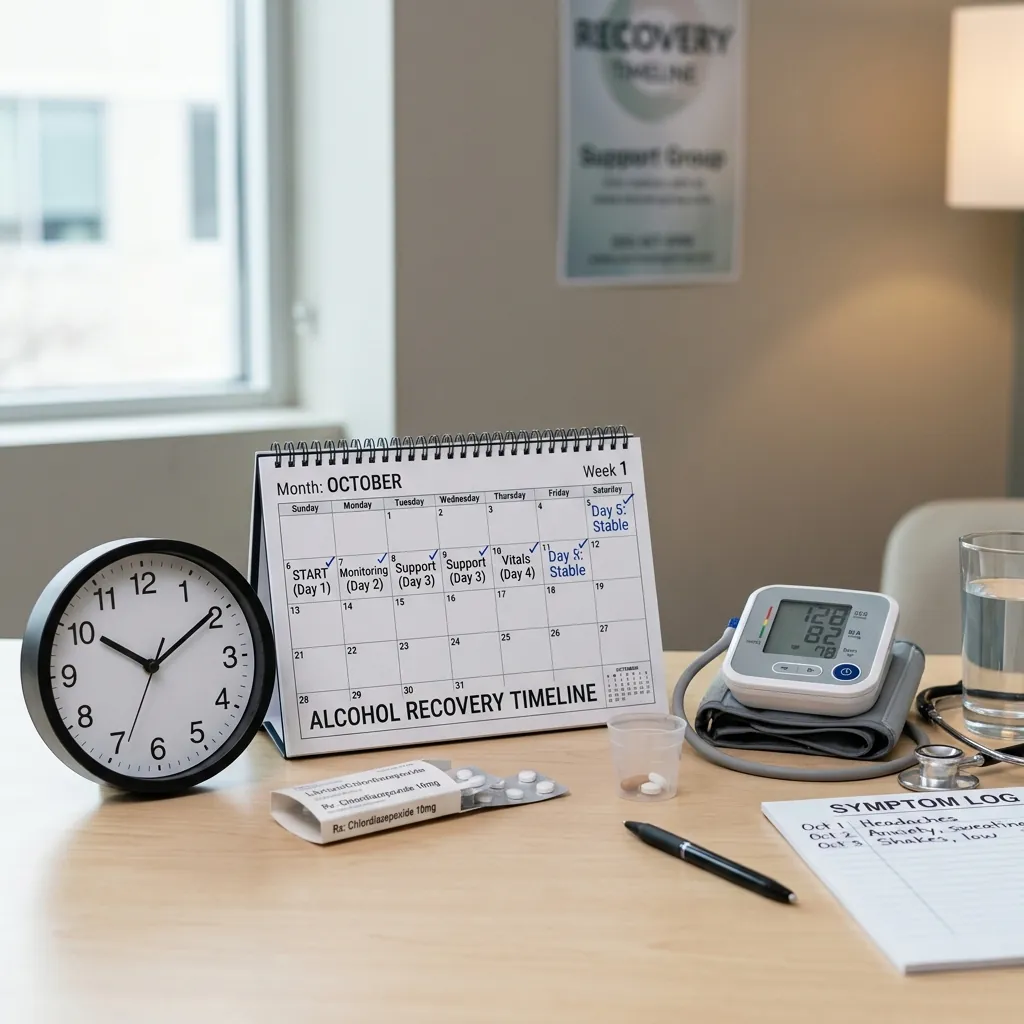
Alcohol withdrawal symptoms typically begin within 6 to 24 hours after the last drink. For most people, the acute phase resolves within 5 to 7 days. A smaller group will experience symptoms that stretch into weeks, a condition called post-acute withdrawal syndrome. How long your withdrawal lasts depends on how much you drink, how long you have been drinking, your age, and your overall health.
What the Research Says About Alcohol Withdrawal Duration
- Mild symptoms can begin as early as 6 hours after the last drink
- Peak severity typically occurs between 24 and 72 hours
- Delirium tremens, the most severe form, appears within 48 to 96 hours
- Most acute symptoms resolve within 5 to 7 days
- Post-acute withdrawal (PAWS) can persist for weeks or months
The Alcohol Withdrawal Timeline: Hour by Hour
6 to 24 Hours: Early Symptoms Begin
The first symptoms of alcohol withdrawal appear surprisingly fast. Within 6 to 12 hours of your last drink, you may notice tremors, sweating, nausea, headaches, and a feeling of restlessness or anxiety. These early symptoms can feel like a bad hangover, which is why people sometimes confuse the two.
Your heart rate and blood pressure may rise during this window. If you have a history of heavy daily drinking, do not assume you can manage this at home. Call a doctor or visit an emergency room for an assessment.
24 to 48 Hours: Risk Increases
This is the window where seizures become a real concern. Alcohol withdrawal seizures occur in roughly 5 to 10 percent of people going through withdrawal, according to clinical literature. They tend to appear between 24 and 48 hours after the last drink.
If you have had a seizure during a previous withdrawal attempt, your risk for another one is significantly higher. Medical supervision is not optional in this case. It is necessary.
“Alcohol withdrawal seizures can occur even in people who do not consider themselves severe alcoholics. Any seizure during withdrawal is a medical emergency.” — American Society of Addiction Medicine
48 to 96 Hours: Delirium Tremens Risk Window
Delirium tremens, commonly called DTs, is the most dangerous stage of alcohol withdrawal. It affects roughly 3 to 5 percent of people going through withdrawal and carries a mortality rate of up to 15 percent if left untreated. With proper medical management, that rate drops dramatically.
Symptoms of DTs include severe confusion, hallucinations (visual, auditory, or tactile), extreme agitation, fever, and rapid heart rate. If someone is experiencing DTs, they need emergency hospital care immediately. This is not a situation where you can wait it out at home.
Days 5 to 7: Acute Withdrawal Begins to Ease
For most people, the sharpest symptoms begin to fade by day 5. Physical symptoms like tremors and nausea often resolve first. Sleep disturbances and mood instability may persist longer.
By the end of the first week, the medical danger for most people has passed. However, feeling better does not mean your brain has fully recovered. That process takes much longer.
Post-Acute Withdrawal Syndrome: When It Lasts Longer
Post-acute withdrawal syndrome, or PAWS, refers to a cluster of symptoms that continue after the acute phase ends. It is common and often overlooked. Symptoms of PAWS include:
- Persistent anxiety and irritability
- Difficulty sleeping
- Brain fog and trouble concentrating
- Mood swings
- Low motivation and anhedonia (reduced ability to feel pleasure)
- Strong cravings, especially in response to stress
PAWS can last anywhere from a few weeks to 12 months or longer, depending on the individual. The symptoms are not always constant. They tend to come and go, often triggered by stress, poor sleep, or major life events. Understanding PAWS is important because these lingering symptoms are one of the primary drivers of relapse in the first year of recovery.
Factors That Affect How Long Alcohol Withdrawal Lasts
No two people experience alcohol withdrawal the same way. The duration and severity of your symptoms depend on several key factors.
Duration and Quantity of Drinking
The longer and heavier your drinking history, the more your brain has adapted to the constant presence of alcohol. When you stop, the brain overcompensates. Someone who has been drinking heavily for decades will typically have a longer and more intense withdrawal than someone who has been drinking heavily for a few months.
Kindling Effect
Each time a person goes through alcohol withdrawal, the brain can become more sensitive to it. This is called the kindling effect. If you have detoxed multiple times before, you may experience more severe symptoms even if you are drinking the same amount. This is a well-documented neurological phenomenon, not a sign of weakness.
Age and Physical Health
Older adults and people with underlying health conditions such as liver disease, kidney problems, or a history of seizures tend to have more complicated withdrawals. The liver’s ability to metabolize alcohol decreases with age, and existing organ damage can intensify symptoms.
Co-occurring Conditions
Anxiety, depression, and other mental health conditions can amplify withdrawal symptoms and extend the duration of PAWS. If you have a co-occurring condition, a medically supervised detox that addresses both the withdrawal and the underlying issue gives you a significantly better outcome.
When to Seek Medical Help for Alcohol Withdrawal
You should not attempt to withdraw from alcohol at home if you meet any of the following criteria:
- You drink daily or near-daily
- You have had a seizure during a previous withdrawal
- You have liver disease, heart disease, or a history of DTs
- You are over 60 years old
- You also use benzodiazepines or other sedatives
Medical detox uses medications such as benzodiazepines (diazepam, lorazepam) or phenobarbital to manage symptoms and prevent seizures. Some facilities also use a protocol called CIWA (Clinical Institute Withdrawal Assessment for Alcohol) to monitor symptom severity in real time and adjust medication accordingly. This approach is far safer than trying to manage severe withdrawal without monitoring.
What Comes After Withdrawal
Getting through alcohol withdrawal is the first step, not the finish line. The acute detox period clears alcohol from your system and stabilizes the most dangerous symptoms. But it does not address the behavioral, psychological, and social factors that drove the drinking in the first place.
After detox, most clinicians recommend stepping into a structured treatment program. This can be residential treatment, a partial hospitalization program, or outpatient treatment depending on your level of need. Research consistently shows that people who connect with treatment immediately after detox have significantly better outcomes than those who try to manage recovery on their own.
Medications like naltrexone and acamprosate are FDA-approved to reduce cravings and support long-term abstinence. These are underused options that any physician can prescribe, and they make a measurable difference in relapse rates.
Moving Through Withdrawal Safely
Alcohol withdrawal lasts somewhere between a few days and several weeks. The acute danger is highest in the first 72 to 96 hours. PAWS symptoms can persist for much longer but tend to decrease in intensity over time.
The most important thing you can do right now is be honest with a medical provider about your drinking history. Do not minimize it out of embarrassment. The information helps them keep you safe. If you are not sure whether you need medically supervised detox, contact a treatment center or call SAMHSA’s National Helpline at 1-800-662-4357. The call is free, confidential, and available 24 hours a day.